
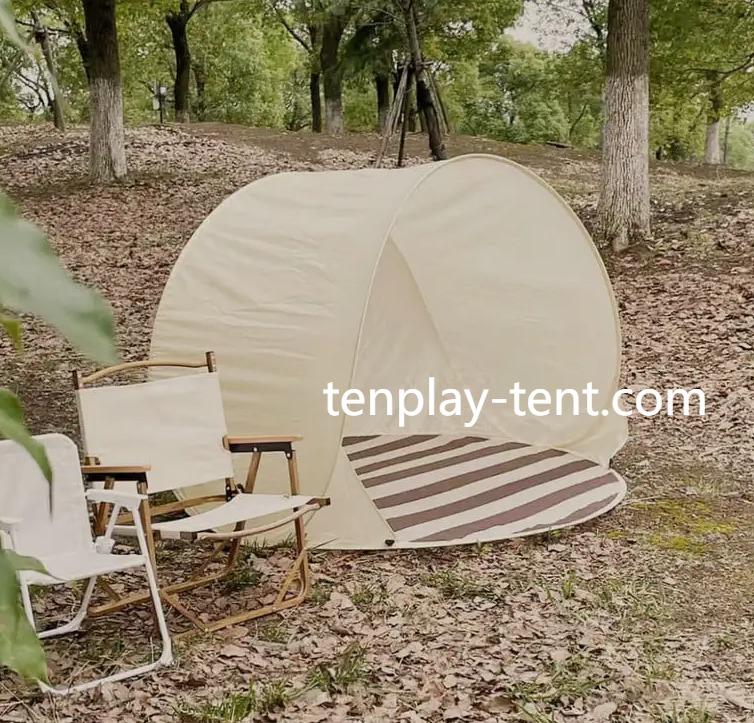
Travelers who enjoy combining road trips with time outdoors often look for shelter that connects conveniently with their vehicle and adapts to different camping situations. A Car Rear Camping Tent can create a practical transition between the vehicle and the campsite, offering a sheltered area for resting, changing clothes, organizing equipment, or enjoying a break from outdoor conditions. Its usefulness depends on material selection, attachment design, weather management, ease of handling, and how comfortably it fits into a travel routine.
Material selection is one of the foundations of outdoor shelter design. Tent fabrics need to balance flexibility, durability, weight, and resistance to environmental exposure. Polyester is commonly used in outdoor products because it can support different coatings and fabric constructions. Other textile options may provide different handling characteristics or surface finishes. The appropriate choice depends on the intended camping environment, expected care routine, and overall design rather than on appearance alone.
The fabric coating also deserves attention. A suitable coating can help a tent resist moisture and support its intended weather protection. However, performance depends on the complete construction, including seams, openings, attachment points, and areas where fabric meets the vehicle. Buyers should review product information carefully and consider whether the shelter is intended for mild recreational conditions or more demanding outdoor use. No tent should be assumed suitable for every weather situation.
When selecting a tent, travelers should begin with their vehicle and camping habits. Some people take short weekend trips and prefer a shelter that is easy to pack and manage. Others spend longer periods at campsites and may prioritize ventilation, interior organization, or additional covered space. Vehicle body shape, rear-door access, available parking space, and the intended sleeping arrangement can all influence whether a particular design is suitable.
Attachment design is especially important for a vehicle-connected shelter. Straps, sleeves, connecting panels, and other fastening elements need to work with the intended vehicle arrangement. Buyers should check the manufacturer's compatibility guidance rather than assuming that one design will fit every vehicle. A practical connection should be understandable to users and should allow the shelter to be secured according to the supplied instructions.
Tent structure influences both setup and stability. Poles, flexible frames, support points, and fabric tension work together to maintain the shelter's shape. A clear structural arrangement can make setup easier to understand, especially for travelers arriving at a campsite after a long drive. Buyers should consider how the components are stored, assembled, adjusted, and packed away, since these tasks form a regular part of the camping experience.
Ventilation and moisture management contribute to comfort. Openings, mesh panels, doors, and windows can help air circulate while allowing users to adjust the shelter to changing conditions. Their placement matters because campers may want privacy, airflow, insect protection, or convenient access at different times. A thoughtfully arranged tent balances these needs without making the interior difficult to organize or the entrances awkward to use.
Weather protection involves more than the outer fabric. Seams, zippers, door edges, ground contact, and vehicle connection areas may all affect how the shelter responds to rain and wind. Buyers should understand the product's intended conditions of use and follow the manufacturer's setup and care instructions. Proper positioning and secure installation also matter, particularly when the campsite surface or surrounding environment changes.
User experience is shaped by small practical details. Doors should be easy to access, storage pockets should be placed where they remain useful, and frequently handled fasteners should be simple to operate. A shelter connected to a vehicle can make it easier to access supplies without walking repeatedly between separate spaces. However, the interior layout should remain appropriate for the number of users and the activities planned during the trip.
Portability and maintenance also affect the long-term value of a camping tent. A practical storage bag helps keep fabric and accessories organized during transportation. After use, the shelter may need to be cleaned, dried, and packed according to its care instructions to help prevent unwanted odors or material deterioration. Components that are easy to inspect and separate can simplify maintenance, particularly after camping in damp or dusty environments.
Appearance contributes to the overall outdoor experience. Neutral colors can blend naturally with forest or campsite surroundings, while brighter shades can create a distinctive recreational style. Shape, window placement, fabric texture, and the visual relationship between the tent and vehicle all influence the finished design. These choices should support practical use, since attractive styling is most effective when access, ventilation, and setup remain convenient.
Ningbo Zhenhai Tiansai Leisure Products Co., Ltd. operates in the outdoor leisure products sector, where shelter design and practical travel needs are important considerations. For businesses developing camping products, evaluating fabric choices, frame construction, vehicle compatibility, storage arrangements, and visual customization can help clarify the requirements of a target market. Early communication about intended use and design preferences can also support a more coordinated product development process.
For further information about camping tents and outdoor leisure product options from Ningbo Zhenhai Tiansai Leisure Products Co., Ltd., visit https://www.tenplay-tent.com/product/

 Arabic
 French
 Spanish
 Portuguese
 Deutsch
 Turkish
 Dutch
 Italiano
 Russian
 Romaian
 Portuguese (Brazil)
 Greek