
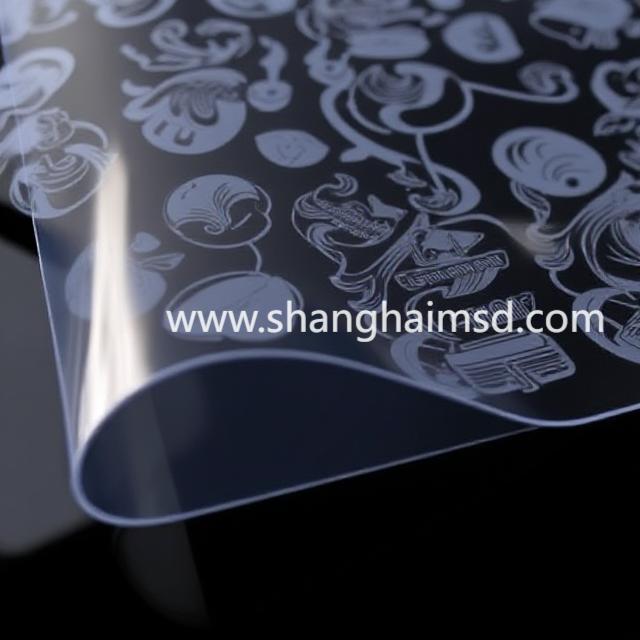
Across industries that require adaptable covering materials, the right fabric can make a meaningful difference to product design and everyday operations. PVC Tarpaulin Fabric is a practical material option for manufacturers seeking flexible solutions for protective covers, transportation applications, storage facilities, and outdoor structures. With its material expertise and product development focus, ShanghaiMsd serves businesses looking for versatile coated fabric options that can accommodate different commercial and industrial requirements.
Protective fabrics are used in many environments where equipment, goods, and working areas need suitable coverage. From logistics operations to agricultural facilities, businesses often require materials that can be fabricated into products with different shapes and functional purposes. Coated textile materials provide a combination of fabric construction and surface treatment, allowing manufacturers to develop products for specific applications.
One of the important characteristics of tarpaulin materials is their adaptability. Depending on the product construction, they can be processed into covers, curtains, partitions, and protective sheets. These products may be used in warehouses, construction areas, transportation facilities, and outdoor commercial spaces. Their application depends on factors such as fabric structure, coating characteristics, thickness, and the conditions in which the finished product will be used.
Surface performance is another consideration during material selection. A suitable coating can contribute to the functional characteristics required by a particular project. Businesses may evaluate surface appearance, flexibility, cleaning requirements, and resistance to environmental exposure when comparing available materials. Understanding these details helps manufacturers select fabrics that correspond with their intended product designs.
In transportation and logistics, protective covers play an important role in organizing and covering goods during handling and storage. Different cargo types may require different cover dimensions, fastening arrangements, and fabrication details. Manufacturers can consider coated fabrics when developing customized covers that fit specific operational requirements. Proper cutting, welding, stitching, and edge finishing can also influence the appearance and usability of the completed product.
Agricultural and construction applications provide further opportunities for coated textile materials. Agricultural businesses may use fabricated covers for storage areas, equipment protection, and temporary shelters. Construction projects may require protective sheets and temporary partitions to support different site arrangements. Selecting appropriate material specifications according to the working environment is an important part of developing practical solutions.
Customization is also valuable for businesses serving different markets. Product manufacturers may need particular colors, surface finishes, fabric structures, or dimensions to meet customer requirements. A clear understanding of the final application allows suppliers and buyers to discuss suitable specifications before production begins. This approach can help reduce unnecessary adjustments and create a more organized sourcing process.
For distributors, wholesalers, and industrial purchasing teams, supplier communication should cover more than product appearance. Details about processing compatibility, fabrication methods, packaging preferences, and intended applications can all contribute to an effective purchasing decision. Businesses that communicate their requirements clearly can evaluate material options with greater confidence and coordinate their product development activities more efficiently.
As industrial applications continue to involve different working environments, flexible material solutions remain relevant to manufacturers and commercial users. Whether a project involves transportation covers, storage protection, agricultural products, or customized outdoor structures, thoughtful material selection provides a useful foundation for product development.
A practical project often begins with a simple question: what material can bring your design requirements and intended application together? Give that question a new direction by visiting https://www.shanghaimsd.com/product/ . Browse the available product information, consider new possibilities for your next project, and let your next material sourcing decision begin with a closer look.

 English
 Arabic
 French
 Spanish
 Portuguese
 Deutsch
 Turkish
 Dutch
 Italiano
 Russian
 Romaian
 Portuguese (Brazil)