
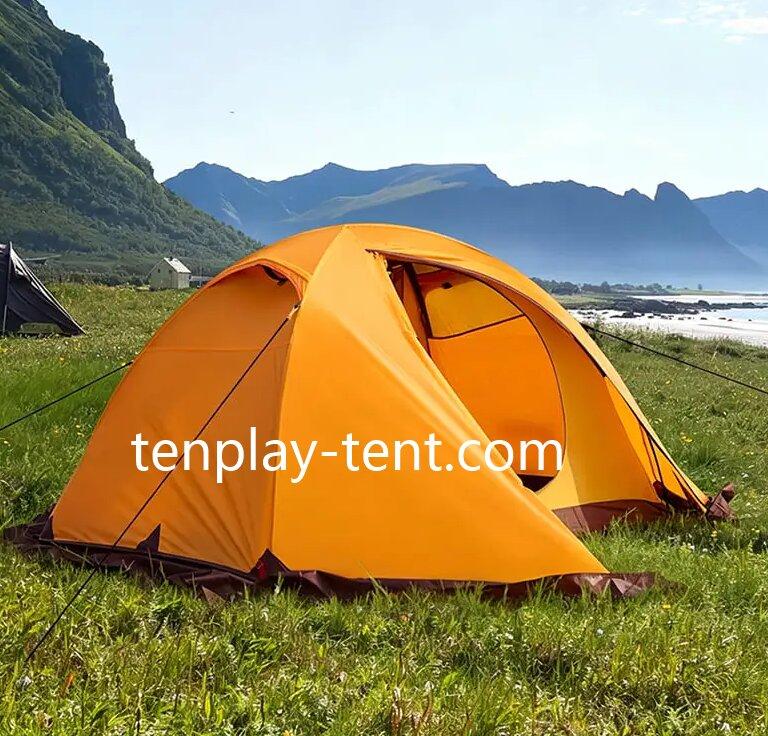
Dome Tent Manufacturer is a product category that attracts attention from outdoor brands, camping equipment distributors, retailers, and businesses looking for practical shelter solutions. As outdoor recreation continues to influence consumer lifestyles, purchasing decisions are no longer based simply on appearance. Buyers increasingly consider material selection, structural design, ventilation, installation convenience, and the overall experience of spending time outdoors. These details influence how a product fits different activities, environments, and customer expectations.
One interesting aspect of outdoor shelter design is the relationship between materials and everyday usability. Fabric selection affects the appearance, handling, maintenance, and weather protection of a finished product. Polyester, Oxford fabric, and other coated materials are commonly considered for different outdoor applications. Each option has its own characteristics, making it important to match the material with the intended environment. For example, people planning weekend camping trips may prioritize convenient handling and easy maintenance, while customers preparing for longer outdoor stays may pay closer attention to weather resistance and fabric durability.
Material selection also involves more than choosing the outer fabric. Inner layers, mesh panels, floor materials, stitching, and connecting components all contribute to the overall experience. A well-considered combination can help create a practical product that addresses different usage requirements. Buyers should also consider how materials feel during handling, how easily surfaces can be cleaned, and whether the finished product is convenient to store after use. These details may seem small during the purchasing process, but they can influence customer satisfaction over time.
Another topic worth considering is structural design. The curved profile associated with dome-shaped outdoor shelters creates a distinctive appearance while allowing designers to distribute supporting elements around the interior space. This arrangement can help make the available area feel organized and accessible. However, structural design should always be evaluated alongside the intended application. A product developed for a short family getaway may require different interior arrangements from one intended for extended outdoor recreation.
Ventilation is another important part of the camping experience. Spending time inside an enclosed outdoor shelter can feel uncomfortable when airflow is limited, particularly in warm or humid conditions. Mesh windows, roof openings, adjustable vents, and well-positioned entrances can help improve air circulation. Their placement also affects natural lighting and privacy. Buyers comparing different products should examine how these elements work together instead of judging ventilation by the number of openings alone.
Interior organization deserves similar attention. A comfortable outdoor environment is not only about having somewhere to sleep. People also need space for personal belongings, shoes, clothing, and camping accessories. Some designs incorporate additional storage areas, extended entrances, or separate interior sections to make daily activities easier. Families may appreciate layouts that allow different areas to serve different purposes, while individual campers may prefer an uncomplicated arrangement that is easy to manage.
What about the visual appeal? Outdoor equipment has gradually become part of the broader lifestyle and travel market. Color combinations, fabric textures, window shapes, entrance arrangements, and overall proportions all influence how customers perceive a product. Neutral colors may suit customers who prefer a natural outdoor appearance, while distinctive color combinations can help retail brands establish a recognizable product identity. A thoughtful design should balance visual presentation with practical use rather than treating appearance as an isolated consideration.
For wholesalers and retailers, selecting a suitable production partner involves another set of questions. Can the supplier accommodate different market preferences? Are material choices flexible? Can logos, colors, packaging, and structural details be adjusted? These considerations matter when businesses want to develop a product range that reflects their own brand positioning. Clear communication during product development can also help reduce misunderstandings between design expectations and actual production requirements.
This is where manufacturing experience and customization capabilities become relevant. Tiansai focuses on outdoor product development, design, production, and international business cooperation. Its product range covers various outdoor applications, with OEM and ODM services supporting customers who have different requirements for appearance, materials, structure, and branding. From initial product discussions to sample development and production coordination, attention to practical details helps businesses move from an initial concept toward a finished product.
When evaluating a potential purchase, buyers should also think about the experience after installation. Is the structure straightforward to assemble? Can the accessories be organized conveniently? Is the storage bag suitable for transportation? Are the instructions easy to follow? These questions provide a useful way to compare different options. They also help businesses understand which product details deserve attention when collecting feedback from their customers.
Outdoor recreation continues to bring together family travel, nature photography, weekend camping, fishing, and leisure activities. Each scenario creates different expectations for comfort, appearance, and functionality. For businesses entering this market, understanding those expectations can help shape product planning and purchasing decisions. Rather than following every changing trend, it is worth focusing on practical features that customers can appreciate during actual use.
Choosing a suitable production partner is therefore an important part of building an outdoor product collection. With experience in product development and customized production, Tiansai works with business customers to coordinate design concepts, material preferences, branding details, and manufacturing requirements. Whether you are developing a new retail collection or expanding an existing outdoor equipment range, you can review available product categories and customization possibilities at https://www.tenplay-tent.com/product/ and discuss a solution that matches your business plans.

 English
 Arabic
 French
 Spanish
 Portuguese
 Deutsch
 Turkish
 Italiano
 Russian
 Romaian
 Portuguese (Brazil)
 Greek