
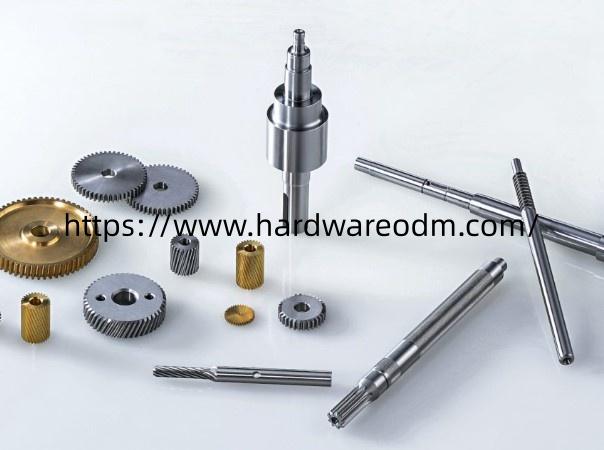
Selecting Custom Metal Stampings is not simply a matter of choosing a metal shape from a product catalog. The material, forming method, connection structure, surface condition, and intended application all influence how a stamped component fits into a finished product. For manufacturers such as Yongkang Ruizan Industry and Trade Co., Ltd., where metal stamping and mold design are integrated into customized manufacturing, understanding these relationships helps turn a product concept or drawing into a practical component.
Material selection should begin with the working environment rather than appearance alone. Carbon steel can be considered for general hardware and structural applications where strength and practicality are important. Stainless steel is often suitable when resistance to moisture, corrosion, or frequent handling matters. Aluminum may be useful when a lighter metal solution is preferred, while copper and copper-based materials can be considered for components where electrical or thermal conductivity is relevant. The right choice depends on how the finished part will interact with surrounding components and what conditions it will encounter during use.
Buyers should also consider how the selected material responds to forming. A metal that looks suitable on paper may behave differently during bending, pressing, punching, or other forming operations. Material flexibility, surface condition, and forming characteristics can influence the final shape and the way the component fits into an assembly. Discussing these considerations with a manufacturer before tooling begins can help identify a practical production approach and reduce unnecessary design changes later.
The shape of the component is another important purchasing consideration. A simple bracket, cover, clip, support, or fastening component may require a different tooling approach from a part with multiple bends, openings, formed sections, or integrated connection features. Rather than focusing only on the finished appearance, buyers should review how the part will be installed and what neighboring components need from it. A well-planned stamped component should have a clear purpose within the complete assembly.
From a functional and technical perspective, stamping can combine several useful forming operations into a coordinated manufacturing process. Blanking can establish the basic profile, while bending and forming can create the structural features needed for installation or movement. Depending on the product, additional operations may also be required to prepare the part for assembly or finishing. Yongkang Ruizan provides stamping, forming, finishing, mold development, and related metal processing services, allowing different manufacturing stages to be considered as part of one customized workflow.
Tooling design has a direct relationship with the final part. A mold is not simply a production accessory; it influences how the material is guided, shaped, and released during forming. Good tooling planning begins with understanding the component structure and production requirements. Design consultation and sample evaluation can therefore be valuable before full production, particularly when the part contains several functional features or needs to work closely with other components.
User experience is often determined by details that are easy to overlook. Edges should be appropriate for handling, connection points should cooperate with the assembly, and formed sections should provide the intended support without creating unnecessary interference. Surface treatment can also influence how a component feels during installation and how it behaves in its surrounding environment. These practical details become especially important for hardware, furniture accessories, mechanical components, and products that are repeatedly assembled or handled.
Appearance should not be separated from function. A stamped component may be hidden inside equipment, partially visible on furniture, or directly exposed as part of a finished product. In visible applications, surface quality, edge treatment, shape consistency, and finishing can contribute to the overall appearance of the product. Clean geometric lines can also make a component easier to integrate with modern product designs, while a carefully considered surface finish can support the visual language of the complete assembly.
For buyers working with a customized metal component, clear communication is therefore essential. Drawings, samples, intended application, installation method, material preference, and finishing expectations can all help a manufacturer understand the project more completely. Yongkang Ruizan Industry and Trade Co., Ltd. supports customized metal manufacturing from design consultation and proofing through mold development, production, and related finishing processes, providing a practical path for projects that require coordinated metal forming and component development.
For more information about customized metal machining, stamping-related products, metal pipe processing, and other manufacturing services from Yongkang Ruizan Industry and Trade Co., Ltd., visit https://www.hardwareodm.com/product.

 English
 Arabic
 French
 Spanish
 Portuguese
 Turkish
 Dutch
 Italiano
 Russian
 Romaian
 Portuguese (Brazil)
 Greek