
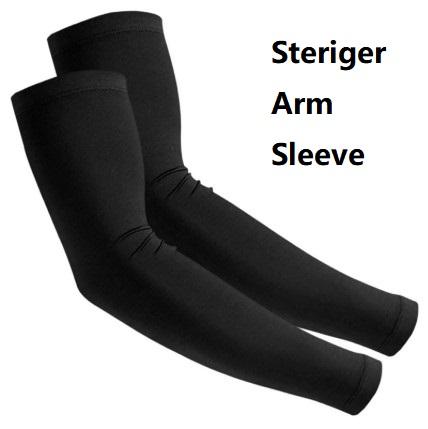
Every brace product begins with a practical purpose and a set of requirements that guide its development. For businesses seeking a Brace Factory , Steriger provides a starting point for exploring product options and discussing sourcing needs. Whether the goal is to develop a retail collection, expand a distribution catalog, or evaluate different support accessories, a clear understanding of product design and manufacturing considerations can help buyers prepare for productive supplier discussions.
Product planning starts with identifying the intended users and applications. Braces can serve different purposes depending on the body area they support and the activities for which they are designed. Buyers may be interested in wrist supports, elbow braces, knee accessories, ankle supports, or other products that fit a particular customer group. Defining these requirements early helps narrow the selection process and gives product discussions a clear direction.
Material selection plays an important role in the wearing experience. Fabric texture, flexibility, breathability, and structural components can affect how a brace feels during use. Some applications may call for flexible materials that allow natural movement, while others may require specific fastening arrangements or additional structural features. Reviewing material descriptions and available product specifications helps buyers understand the characteristics of each option before making a decision.
Design details deserve equal attention. Seams, closures, edges, adjustable straps, and the overall shape can influence comfort and ease of use. A practical design should reflect the intended application rather than relying on appearance alone. Buyers can discuss these elements with a supplier to determine which features are available and whether adjustments may be appropriate for their product plans.
Sizing is another essential consideration. Braces need to accommodate different body measurements, and unclear sizing information can make product selection difficult for customers. Businesses should review the available size range, measurement instructions, and fitting guidance when evaluating a product. Providing this information clearly through product descriptions and sales materials can help customers make informed choices.
For businesses considering customized products, early communication helps establish realistic expectations. Buyers may wish to discuss colors, materials, packaging, labeling, or other design preferences. The feasibility of these requests depends on the product specifications and the supplier's available capabilities. Confirming requirements before production begins can help reduce misunderstandings and create a more organized development process.
Production coordination also involves reviewing how product requirements are communicated and checked. Buyers may ask about material verification, construction procedures, inspection arrangements, and the handling of finished goods. Agreeing on relevant specifications and acceptance criteria before an order is placed helps both parties understand what is expected. Keeping product documents organized can also support communication across purchasing, marketing, and distribution teams.
Packaging and presentation should reflect the needs of the intended sales channel. Products supplied to physical retailers may require a different presentation from those sold through online stores or professional distribution networks. Clear labeling, understandable care instructions, and accurate product descriptions can help businesses present their range consistently. Buyers should also confirm any applicable packaging and labeling requirements for their intended markets.
Responsible product communication remains important throughout the process. Braces should be described according to their documented features and intended applications, without unsupported claims about performance or medical outcomes. Customers with persistent pain, swelling, or injuries should be encouraged to consult an appropriate healthcare professional when necessary. Clear guidance helps businesses present support accessories in a practical and transparent way.
A successful sourcing project depends on more than choosing an attractive design. Material suitability, fit, construction details, production coordination, and packaging arrangements all contribute to the final purchasing decision. By reviewing these factors and communicating requirements clearly, businesses can build a product selection that reflects their market objectives and customer expectations.
Ready to turn your product ideas into a more focused sourcing plan? Visit https://www.steriger.com/product/ and browse the available product information. Take a moment to compare the styles and specifications that match your business needs, then use what you find to shape your next inquiry. Your next product development conversation can begin with a closer look.

 English
 Arabic
 French
 Spanish
 Portuguese
 Deutsch
 Turkish
 Dutch
 Italiano
 Russian
 Romaian
 Portuguese (Brazil)