
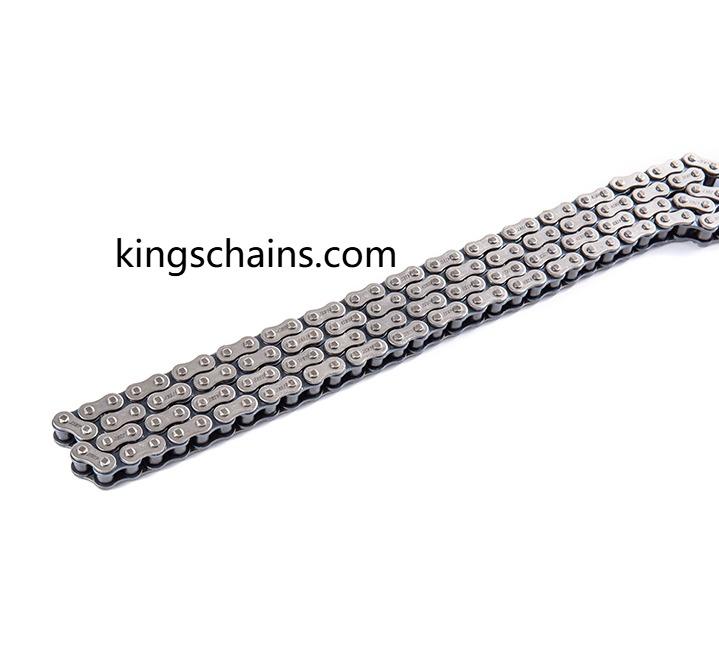
Motorcycle Roller Chain purchasing can influence workshop efficiency through product compatibility, order accuracy, delivery schedules, and inventory control. For repair centers, distributors, and parts wholesalers, supplier selection is not simply a matter of comparing quotations. Buyers also need accurate technical information, clear communication, and an organized supply process. These factors can affect how quickly a workshop receives components, arranges maintenance tasks, and fulfills customer orders.
Define Requirements Before Requesting Quotations
A purchasing decision should begin with a clear understanding of the intended application. Buyers need to identify relevant dimensions, material requirements, product specifications, and operating conditions before contacting potential suppliers. These details help manufacturers provide suitable product information and prepare quotations based on actual requirements.
A written specification sheet can make this process easier. It should include product references, required quantities, technical drawings when available, and any special packaging instructions. When buyers provide complete information, suppliers have a clearer basis for reviewing the request.
For workshops serving different equipment models, separate product records can also reduce confusion. Staff can check the correct reference before placing repeat orders, helping prevent avoidable purchasing mistakes.
Review Manufacturing and Quality Procedures
Product consistency is an important consideration when selecting a manufacturing partner. Buyers can ask about raw material selection, production equipment, dimensional inspection, and finished-product checks. These questions help purchasing teams understand how the supplier manages production requirements.
It is also useful to request available technical documents, product samples, or inspection records. Such information gives buyers a practical reference when comparing suppliers and checking whether the offered specifications match their needs.
A manufacturer should also be able to explain how quality concerns are reviewed. Buyers can ask how nonconforming items are identified, how feedback is handled, and what information is required when a product issue is reported. A clear process helps both parties manage communication more efficiently.
Check Communication Before Confirming an Order
Workshop schedules often depend on several purchasing and maintenance activities taking place at the right time. If product details or delivery information remain unclear, staff may need to spend additional time following up with suppliers.
Before confirming an order, buyers should agree on specifications, quantities, production schedules, payment arrangements, packaging, and shipping terms. It is also helpful to identify the main contact person for order updates and technical questions.
Written confirmation can prevent misunderstandings. A purchase order that matches the supplier's quotation gives both parties a shared reference for production and delivery. Any later changes should be recorded and confirmed before the order proceeds.
Connect Inventory Planning With Actual Demand
Inventory decisions can influence the daily workload of a workshop. Insufficient stock may delay scheduled repairs, while excessive purchasing can increase storage requirements and tie up business funds.
Buyers should review previous sales, maintenance frequency, current stock, and expected demand before setting reorder quantities. Frequently requested components may require a different replenishment plan from items used only for specific applications.
A simple inventory record can include product references, quantities received, usage history, supplier details, and reorder points. Regular reviews help purchasing teams identify which items need replenishment and which products are moving slowly.
For distributors, sharing demand information with suppliers may also support better order preparation. More accurate forecasts can help both parties coordinate production and delivery expectations.
Consider Packaging, Shipping, and Receiving
The purchasing process does not end when production is complete. Packaging and transportation arrangements can affect the condition and identification of goods when they arrive.
Buyers should confirm carton specifications, labeling details, protective materials, and shipping documents before dispatch. Clear labels help warehouse employees identify different product references and organize incoming stock.
Delivery schedules should also fit the workshop's operating requirements. If components are needed for planned service work, buyers should allow enough time for production, transportation, customs procedures where applicable, and warehouse inspection.
A receiving checklist can help staff verify quantities, package condition, and product references against the purchase order. Reporting discrepancies promptly gives the supplier an opportunity to review the situation.
Measure Supplier Performance Over Time
A supplier should be assessed through its performance across multiple orders. Buyers can keep records of specification accuracy, product consistency, response time, delivery arrangements, and the handling of questions or complaints.
These records make future purchasing decisions more objective. They can also help businesses identify recurring issues and discuss practical improvements with their manufacturing partners.
For workshops with regular demand, maintaining an organized supplier relationship can simplify repeat orders and reduce unnecessary administrative work. Clear product records and agreed purchasing procedures also make it easier for new staff to follow established processes.kingschains provides product information for buyers evaluating component requirements and planning business purchases. Distributors, wholesalers, and workshop operators can review the available range, compare their technical needs, and contact the company to discuss order details. Visit https://www.kingschains.com/ to learn more about its products and manufacturing services.

 English
 Arabic
 French
 Spanish
 Portuguese
 Deutsch
 Turkish
 Dutch
 Italiano
 Russian
 Portuguese (Brazil)
 Greek