
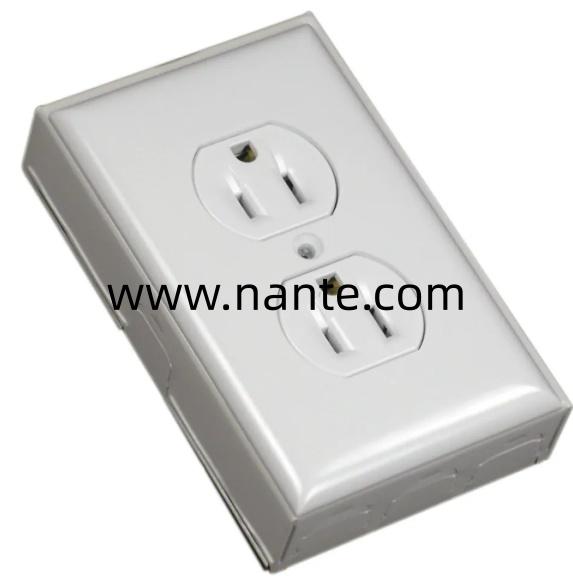
Electrical connectivity is an essential part of modern industrial operations, linking machinery, portable equipment, and power distribution systems into coordinated working environments. An Industrial Surface Mounted Socket provides a practical interface for transferring electrical power between compatible devices, while Nante emphasizes functional design, application flexibility, and dependable construction to address the varied requirements of industrial users.
Unlike ordinary household connections, industrial electrical interfaces must accommodate demanding working conditions and specific equipment requirements. Manufacturing facilities, processing workshops, assembly areas, and construction environments often rely on specialized connectors to keep their electrical systems organized. Selecting an appropriate connection component helps establish a consistent interface between power sources and the equipment that depends on them.
Compatibility is one of the first considerations during product selection. Industrial connectors are available in different configurations to accommodate particular plug standards, electrical characteristics, and installation requirements. Buyers should evaluate the intended application carefully, ensuring that the connector matches the equipment, power supply, and relevant industry standards. Appropriate compatibility helps prevent connection problems and supports stable equipment operation.
Physical construction also influences how a connector performs in its working environment. Industrial electrical accessories may experience repeated handling, mechanical contact, vibration, and exposure to surrounding environmental conditions. Durable housing materials and carefully manufactured connection structures can help maintain product integrity during regular operation. Insulation quality and contact design are equally important because they contribute to electrical safety and connection reliability.
Another important consideration is installation flexibility. Industrial facilities rarely share identical equipment layouts. Some connectors are installed directly on machinery, while others form part of distribution assemblies, control panels, or portable electrical systems. A suitable connector design should accommodate the available installation space and provide convenient access for operators and maintenance personnel.
Connection management can also influence workplace organization. Poorly arranged electrical interfaces may create unnecessary cable crossings and make equipment connections difficult to identify. Clearly positioned connectors help establish a more understandable electrical layout, allowing technicians to recognize connection points and carry out maintenance with greater convenience. Thoughtful component placement can therefore contribute to smoother equipment management.
Environmental protection deserves attention when connectors are used in demanding locations. Certain applications may involve moisture, dust, splashing water, or other external influences. In these situations, the appropriate protection level and sealing structure should correspond with actual operating conditions. Users should review product specifications and installation instructions rather than assuming that every industrial connector offers identical protective capabilities.
For equipment manufacturers and industrial purchasing teams, long-term usability should remain part of the evaluation process. Connector replacement, routine inspection, wiring adjustments, and equipment upgrades can all influence maintenance requirements. Products with practical structural designs and clearly documented specifications make it easier for technical teams to plan installation and servicing activities.
Manufacturing consistency is another factor worth considering. Reliable production processes, material inspection, dimensional accuracy, and assembly control contribute to the overall quality of electrical accessories. Working with a supplier that understands industrial application requirements can help buyers identify suitable configurations and coordinate product choices with their equipment designs.
As industrial systems become increasingly interconnected, individual electrical components play an important role in maintaining organized and functional operations. Selecting the right connection solution involves more than matching a plug to an outlet. It requires attention to compatibility, environmental conditions, installation methods, and everyday maintenance needs.
Behind every smoothly operating machine is a network of carefully selected components working together. Give your next electrical project a fresh starting point by visiting https://www.nante.com/product/ . Browse the available industrial connection solutions and see which possibilities could bring your equipment design together with greater clarity and purpose.

 English
 Arabic
 French
 Spanish
 Portuguese
 Turkish
 Dutch
 Italiano
 Russian
 Romaian
 Portuguese (Brazil)
 Greek