
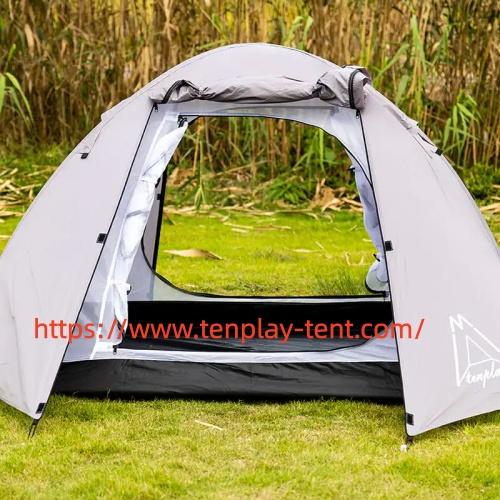
Pop-up Tent Factory development reflects the growing interest in outdoor products that combine convenient handling, flexible applications, and practical design. From beach outings and weekend camping to outdoor markets and temporary changing areas, consumers increasingly appreciate equipment that can be prepared without complicated assembly. For retailers and distributors, understanding what makes these products useful can provide valuable direction when planning a new collection.
Material selection is an important part of the development process. Polyester is commonly used in portable outdoor equipment because it offers flexibility in design, manageable handling, and compatibility with different surface treatments. Oxford fabric is another option, particularly when buyers are considering texture, fabric construction, and everyday wear. Some products also incorporate mesh sections to support ventilation and visibility.
The choice of material should reflect the intended application. A beach shelter may need a different fabric arrangement from a private changing enclosure or an outdoor market canopy. Buyers should consider exposure to sunlight, contact with sand, cleaning requirements, moisture, and repeated folding. These practical details help determine which material combinations are appropriate for a particular customer group.
The folding structure is another feature that attracts attention. Many portable designs use flexible support components that allow the product to open into its intended shape and fold away for storage. Spring steel frames and fiberglass supports are common options in different product categories. Each construction approach has its own characteristics, influencing flexibility, handling, and the overall folding experience.
The opening mechanism deserves particular attention during product evaluation. Users generally appreciate a structure that can be opened and packed without confusing steps. However, convenience also depends on the quality of connection points, the arrangement of support components, and the clarity of the operating instructions. Buyers should examine how these details work together rather than judging a product by its opening mechanism alone.
Different outdoor activities also create different functional requirements. At the beach, users may want protection from direct sunlight and a comfortable place to rest. During fishing trips, an enclosure may need to accommodate personal belongings while allowing convenient access. At outdoor exhibitions, businesses may prioritize a recognizable appearance and space for displaying promotional materials.
Privacy is another application worth considering. Portable changing rooms and shower enclosures provide temporary personal spaces in locations where permanent facilities are unavailable. Their design may include enclosed fabric panels, convenient entrances, ventilation openings, and storage pockets. These details can make a difference for beach visitors, campers, sports participants, and event organizers.
Ventilation should not be overlooked when selecting an enclosed product. Mesh panels and adjustable openings can support airflow while maintaining a degree of privacy. The positioning of these features affects how users move through the interior and how comfortable the space feels during extended use. A thoughtful layout should balance accessibility, ventilation, and the intended level of coverage.
Portability is equally relevant to the purchasing decision. Consumers may transport outdoor equipment in cars, carry it between activity areas, or store it alongside other recreational supplies. A practical carrying bag, manageable folded shape, and clearly organized accessories can make transportation and storage easier. Buyers should also consider whether the product is straightforward to clean and repack after outdoor use.
What should distributors examine before choosing a supplier? Start with the product construction and intended market. Review fabric options, frame materials, stitching, connection areas, folding arrangements, and accessory combinations. It is also useful to ask about sample availability, customization services, packaging choices, and inspection procedures. These discussions can help businesses understand how a proposed product fits their commercial requirements.
Appearance is another important part of product planning. Bright colors may suit beach activities and promotional events, while natural shades can complement outdoor recreation collections. Window placement, fabric combinations, printed graphics, and exterior proportions also influence the overall presentation. For retailers, a coordinated visual identity can help related products look consistent across a collection.
Customization allows businesses to adjust these details to their customer preferences. Private label projects may involve customized colors, printed logos, fabric selections, carrying bags, and packaging. Product layouts can also be reviewed according to the intended application. For example, a changing enclosure may require a different entrance arrangement from a leisure shelter designed for social activities.
Before production begins, sample evaluation provides an opportunity to review the actual product. Buyers can examine the opening and folding process, material texture, stitching, frame connections, ventilation, and storage convenience. Feedback from this stage helps clarify design expectations and gives both parties an opportunity to discuss adjustments.
Manufacturing coordination also involves material preparation, fabric cutting, sewing, frame assembly, accessory installation, inspection, and packaging. Each stage contributes to the finished appearance and user experience. Clear communication between the design and production teams helps maintain consistency between the approved concept and the final product.
Tiansai develops a range of outdoor products covering automatic and folding designs, family camping equipment, specialty shelters, and other recreational applications. Through its Tenplay brand, the company offers product customization and manufacturing services for businesses with different market requirements. Its product development approach considers practical applications, structural arrangements, material selection, and visual presentation.
As outdoor recreation and temporary activity spaces continue to create different purchasing needs, businesses can benefit from products designed around real customer situations. Material selection, folding convenience, ventilation, privacy, and visual identity all deserve attention during product planning. If you are developing a new outdoor collection or considering customized products for your market, Tiansai provides an opportunity to discuss your ideas and manufacturing requirements. Visit https://www.tenplay-tent.com/ to view the product collection and consider suitable options for your next outdoor equipment project.

 English
 Arabic
 French
 Spanish
 Portuguese
 Turkish
 Dutch
 Italiano
 Russian
 Romaian
 Portuguese (Brazil)
 Greek